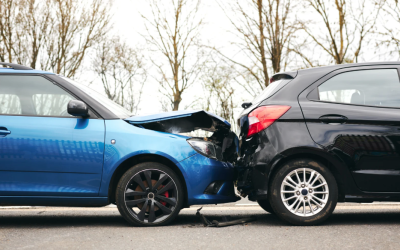
10 Things You Need to Do if You’re in a Car Accident
Article by Matthew Newton-Reid
and Serena Rahhal
Car accidents can be life-changing, harrowing experiences. On an average day in Ontario, motor vehicle collisions kill more than two people and result in injuries requiring medical assistance for more than 180 others. If you’re in an accident, these are the ten things you should do to protect your rights.
1. Stay at the scene of the accident.
Make sure to stay at the scene of the accident, give all the assistance you can, and provide information to witnesses, police officers, or anyone who was injured at the scene. Leaving the scene is prohibited under the Ontario Highway Traffic Act and will result in a fine between $400 and $2,000, or imprisonment for up to six months, or both, in addition to potential suspension of your license for up to two years.
2. Check for injuries.
Check yourself and anyone else involved in the accident for injuries. If it looks like an emergency, call 911.
3. Remove vehicles from the road.
If it’s safe to do so, remove vehicles from the road where the accident occurred.
4. Exchange information with the other driver.
Make a note or take a photo of the other driver’s full name, address, phone number, and driver’s license number, as well as the make, model, year, vehicle identification number, and license plate number of the car they’re driving. If the registered driver of the vehicle is different than the driver, make sure to get that person’s information as well. You’ll also want to exchange insurance information.
5. Get information from witnesses nearby.
Take the names and contact details of any witnesses or bystanders who saw the accident.
6. Take photos and videos of the scene.
Specifically, get a wide shot of the road the accident occurred on, damage to the vehicles, injuries, road conditions, and police details if they’re present. Make sure to save any dashcam footage if you have it.
7. Notify insurance immediately.
Statutory Accident Benefits (SABS) are available to everyone injured in a collision regardless of whose fault it was. Make sure to notify your insurance company within seven days of the collision and submit the Application for Accident Benefits (OCF-1) form within 30 days, or you could lose your right to receive benefits.
8. Report the accident.
If the damage exceeds $5,000, there are serious injuries or fatalities, or if you suspect impaired driving, call the local police at their non-emergency number (911 is only for emergencies). If the accident was minor, report the accident to the local Collision Reporting Centre within 24 hours.
9. See your doctor.
Be sure to see your doctor after a collision even if you’re feeling fine. Some injuries like concussions and whiplash take time before symptoms start to show. Explain the accident in detail to your doctor and get a medical report detailing how your injuries are related to the accident. It is important that your doctor document each and every injury, not just the most severe.
10. Seek legal assistance.
If your insurance company denies your claim or classifies your injury as minor when it isn’t, you can take your case to the License Appeal Tribunal (LAT) for a fair review. This can be a complex process and it’s worth seeking legal assistance to manage. If the other driver was at fault for the accident and caused you serious, life-changing injuries, you can also contact a lawyer to make sure you receive compensation from the driver.
Cohen Highley provides a free consultation to ensure you know your rights, if you’ve been in an accident. We don’t get paid unless you win at trial or settle. Don’t hesitate to get the legal advice you need, contact our office at 519-672-9330.
Sources:
https://www.ihsa.ca/topics_hazards/motor_vehicle_incidents.aspx
https://www.ontario.ca/laws/statute/90h08
https://www.ontario.ca/laws/regulation/100034